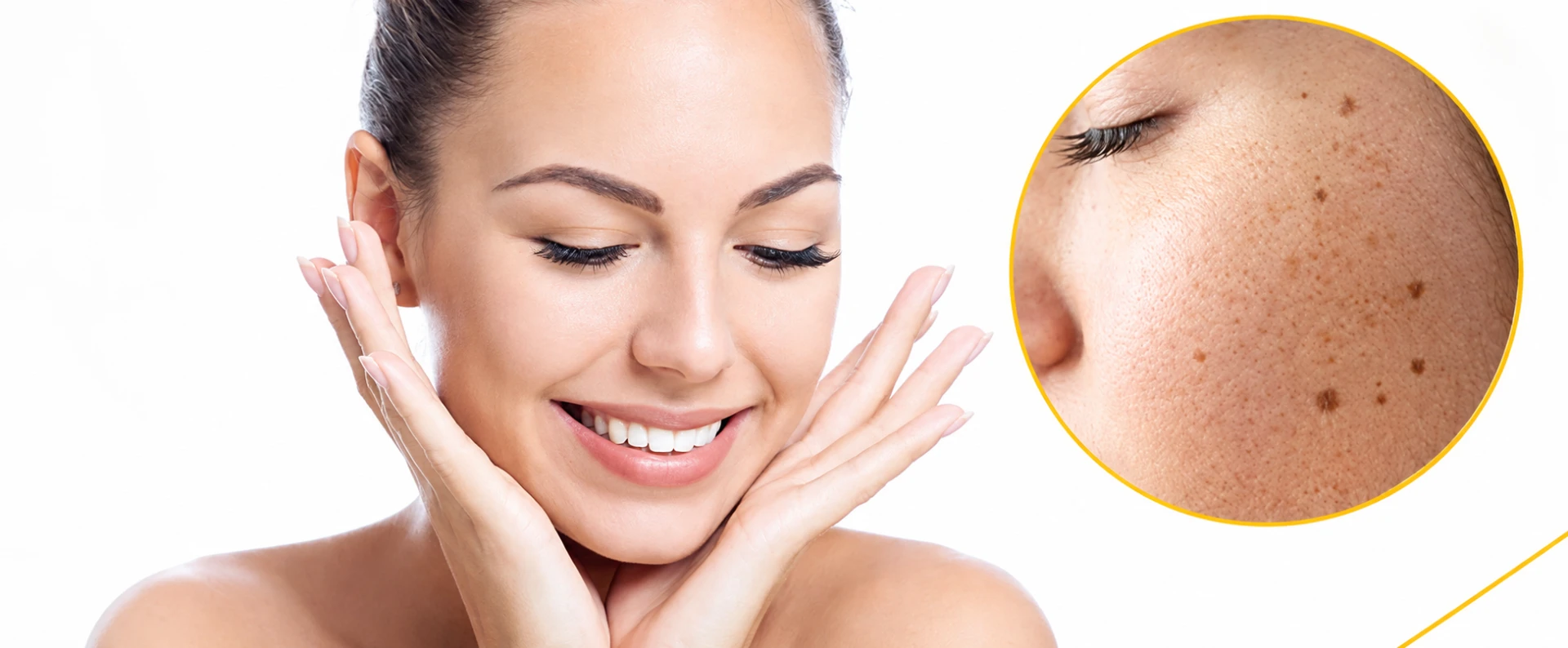
Pigmentation & Dark Spots
Common Causes of Facial Pigmentation
1. Too Much Sun Exposure The sun is the biggest cause of skin pigmentation. Spending too much time in the sun can trigger your skin to produce extra melanin – the pigment that gives skin its colour. This can lead to dark spots forming over time.
2. Hormonal Changes Changes in hormones can cause a type of pigmentation called melasma. This is common during pregnancy or when taking birth control pills. It often shows up as brown or grey patches on the face.
3. Skin Injuries or Conditions Pigmentation can also happen after the skin has been irritated or damaged. This is called post-inflammatory hyperpigmentation. It can occur after acne, cuts, or even skin conditions like eczema or psoriasis.
Skin Cancer Awareness & Safety Disclaimer
Australia has one of the highest incidences of skin cancer globally. Approximately 2 in 3 Australians will be diagnosed with some form of skin cancer by the age of 70.[1] Excessive ultraviolet radiation exposure is estimated to account for approximately 95% of melanomas and 99% of non-melanoma skin cancers in Australia.[2]
Pigmented lesions may have benign, premalignant or malignant causes. Cosmetic assessment alone cannot reliably exclude melanoma or other forms of skin cancer. For this reason, DW Aesthetic Clinic recommends regular comprehensive skin examinations by medical practitioner or dermatologist, particularly for individuals with significant sun exposure, a personal or family history of skin cancer, numerous or atypical moles, or changing pigmented lesions.
Any lesion displaying concerning clinical features—including recent onset, asymmetry, irregular borders, colour variation, progressive enlargement, bleeding, ulceration, persistent pain, itching or failure to heal—should undergo medical assessment before cosmetic treatment is considered.
DW Aesthetic Clinic will not perform laser or other cosmetic treatment over a suspicious, undiagnosed or changing lesion. Where clinically indicated, clients will be referred for medical or dermatological assessment, and treatment may be deferred until an appropriate diagnosis and written medical clearance have been obtained.
A cosmetic skin consultation does not constitute a comprehensive skin-cancer screening examination and does not replace dermoscopy, biopsy, histopathological assessment or specialist medical diagnosis. Treatment suitability and outcomes vary according to the diagnosis, skin type, pigment depth, medical history and individual response.
References
1. Cancer Council Australia. Skin cancer: causes, symptoms and risks.
2. Cancer Australia. UV radiation: lifestyle risk factors and the primary prevention of cancer.
Best Treatments for Pigmentation
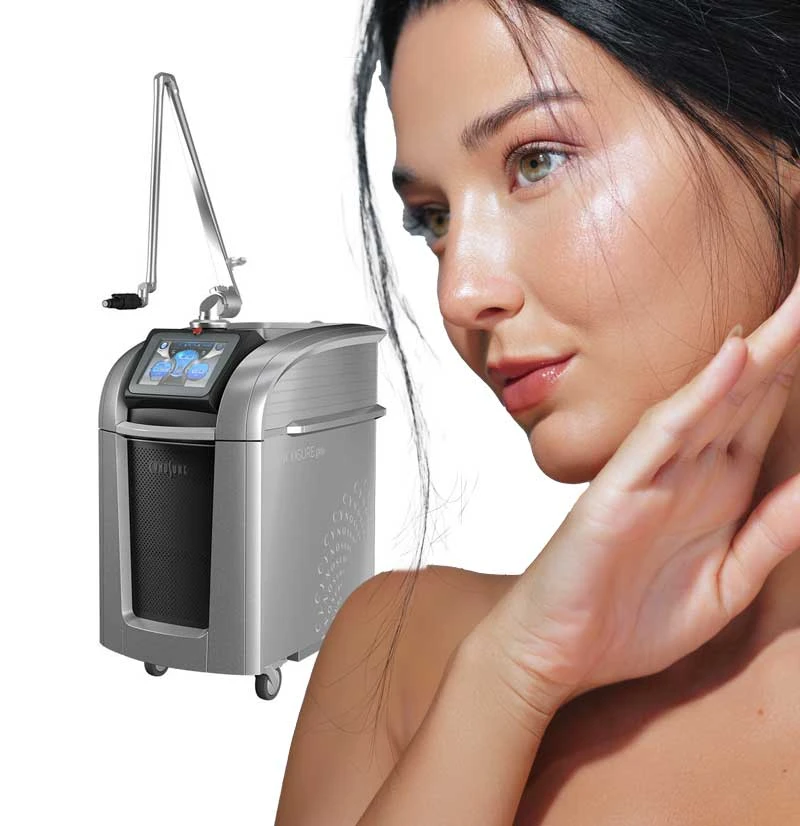
Picosure Pro
A picosecond laser treatment that targets pigmentation, sun damage and uneven skin tone while helping improve skin texture, acne scars and overall radiance.

XERF RF Tightening
A radiofrequency treatment designed to stimulate collagen production, improve skin firmness, and enhance facial contours by gently heating the deeper layers of the skin.

Collagen Induction Microneedling
A collagen-stimulating treatment that improves skin texture, reduces scars and fine lines, and enhances overall radiance with minimal downtime.
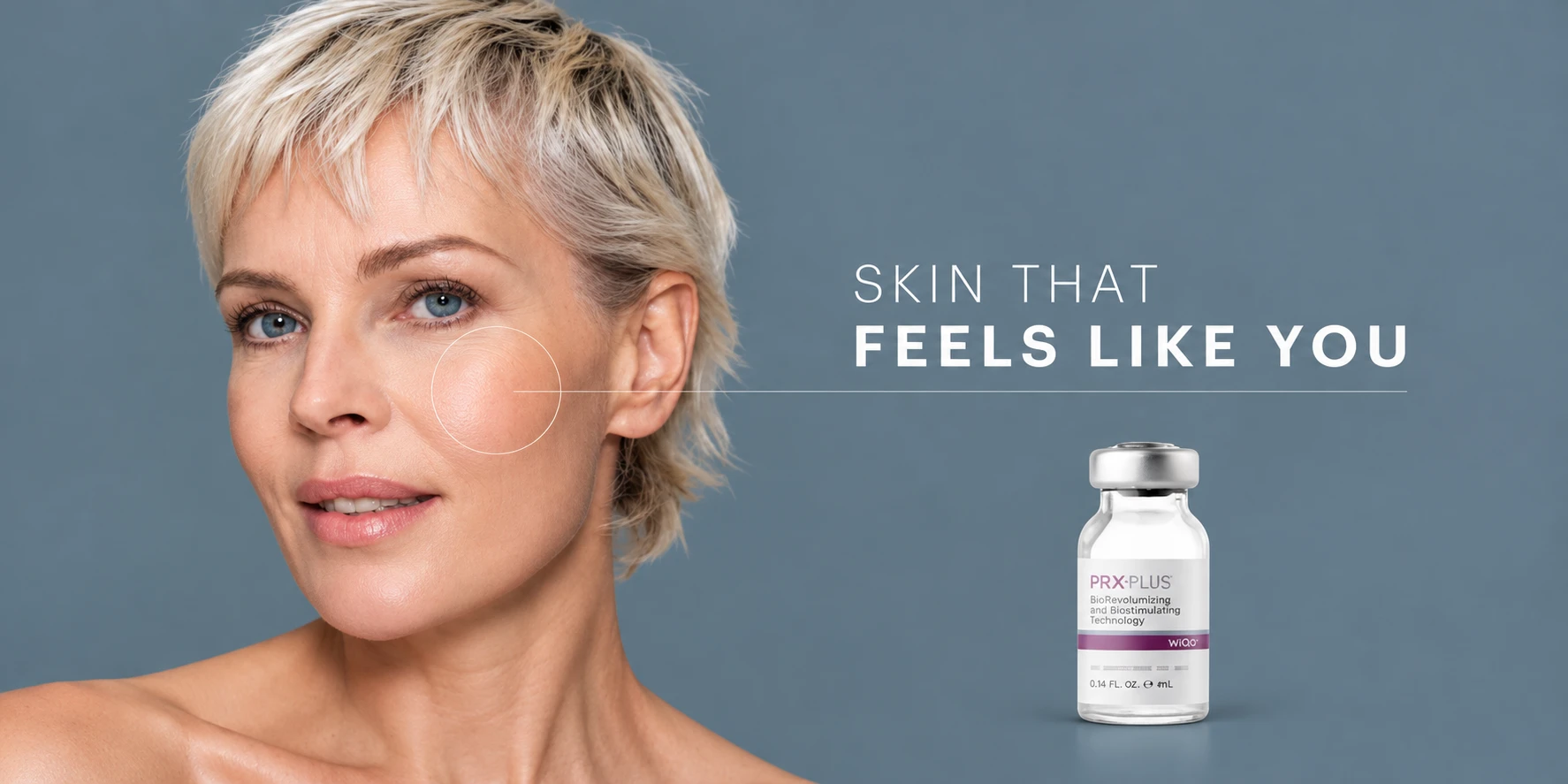
PRX PLUS
PRX Plus by WiQo is a professional, non-invasive topical skin treatment designed to improve the visible quality, tone and firmness of mature or photodamaged skin.

AHA/ BHA peels
A chemical exfoliation treatment that helps support smoother skin texture, clearer pores, and a more even-looking complexion by gently removing dead skin cells.
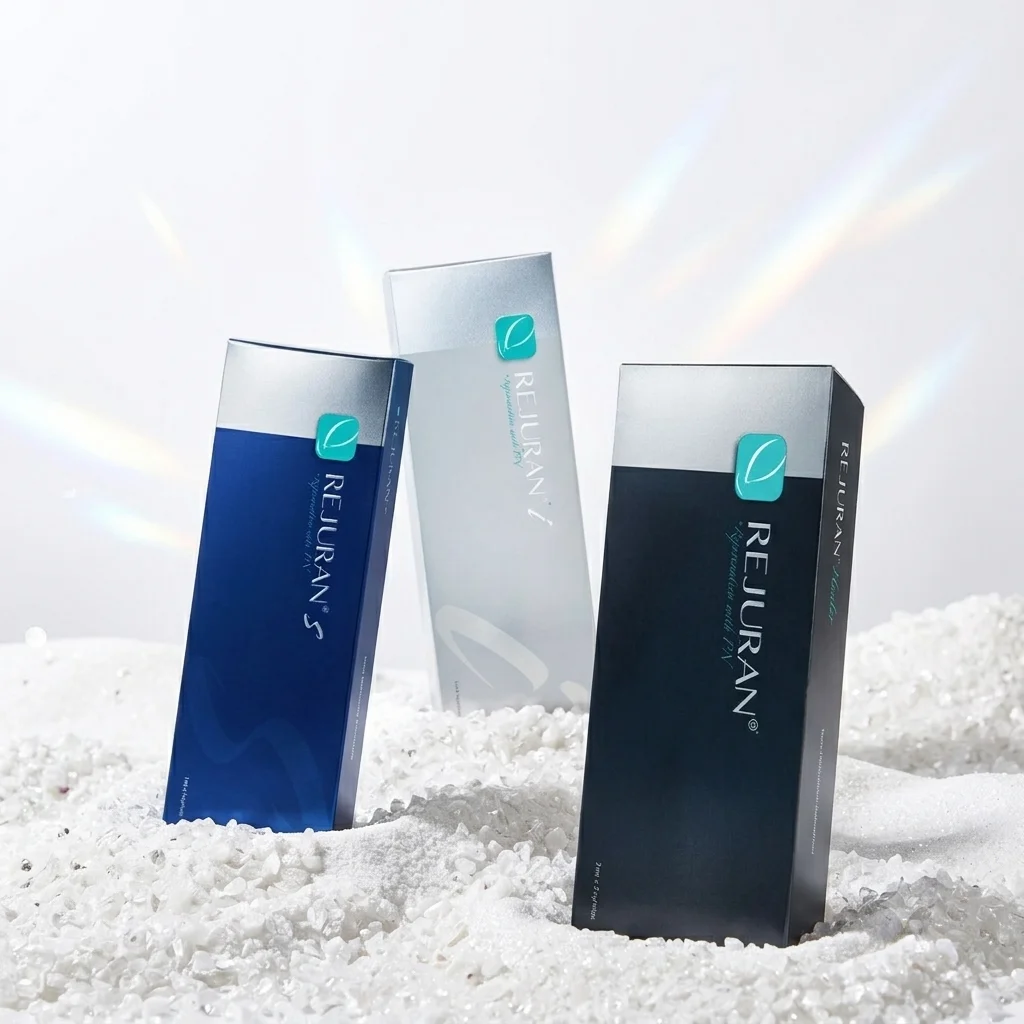
Rejuran
A skin healing treatment using polynucleotides (PDRN) to regenerate damaged tissue, stimulate repair, and restore youthful skin quality.
Frequently Asked Questions
What causes pigmentation and dark spots?
Pigmentation and dark spots occur when melanin — the pigment that gives skin its colour — is produced in excess. Common causes include sun exposure (UV damage), hormonal changes (such as pregnancy or the pill causing melasma), post-inflammatory hyperpigmentation (PIH) following acne or skin injury, and the natural ageing process. Identifying the underlying cause is important in selecting the most effective treatment.
What treatments are available for pigmentation and dark spots?
Our clinic offers a range of treatments to address pigmentation concerns, including Laser Pigmentation, Pico Toning, Fractional Laser, AHA/BHA Peels, and skincare programmes. The most suitable treatment depends on the type and depth of pigmentation, your skin type, and your lifestyle. A thorough skin assessment at consultation will determine the best approach.
How many sessions will I need?
The number of sessions varies depending on the type, severity, and depth of pigmentation. Superficial sunspots may respond in 2–3 sessions, while deeper or more complex pigmentation such as melasma may require ongoing management over several months. Your clinician will outline a realistic treatment plan at consultation.
Can pigmentation return after treatment?
Pigmentation can recur, particularly with ongoing sun exposure, hormonal changes, or skin trauma. Strict and consistent use of broad-spectrum SPF 50+ is essential to protect results and prevent recurrence. Your clinician will recommend appropriate at-home skincare to maintain your outcomes.
Is treatment for pigmentation suitable for all skin types?
Treatment options can be adapted for most skin types; however, darker skin tones require careful selection of laser settings and modalities to minimise the risk of post-inflammatory hyperpigmentation. Our clinicians are experienced in treating diverse skin tones safely and effectively.
How do I book a pigmentation consultation?
You can book a consultation through our online booking system or contact the clinic directly. We will perform a detailed skin assessment, identify the cause of your pigmentation, and design a personalised treatment plan.
Book a consultation
A one on one consultation to personalise a series of treatments tailored for your needs and concerns. You will be able to learn everything about your skin condition.
Book Now
Specialising in advanced Korean skincare protocols, offering personalised treatment plans designed to enhance your natural beauty with care and precision.
Consult Aesthetic Nurse Vivian ChoeFind Us
Address
Level 4, Sunnybank Hills Shopping Town, 661 Compton Road, Sunnybank Hills QLD 4109, Brisbane
Phone
0494561653Hours